What The Last Ship Reminded Me About Running a Business
August 6th, 2026 by Diane Conklin under Business - General, Business Strategy. No Comments.
I just finished watching the TV series The Last Ship (on Netflix). If you haven’t seen it, it’s about a Navy destroyer at sea when a global pandemic wipes out much of the world’s population. The crew suddenly finds themselves responsible for far more than just sailing a ship. They’re making life-and-death decisions, protecting the people around them, adapting to a world that’s changing by the hour, and trying to accomplish a mission with very little information.
As I watched, I realized this isn’t a show about a ship.
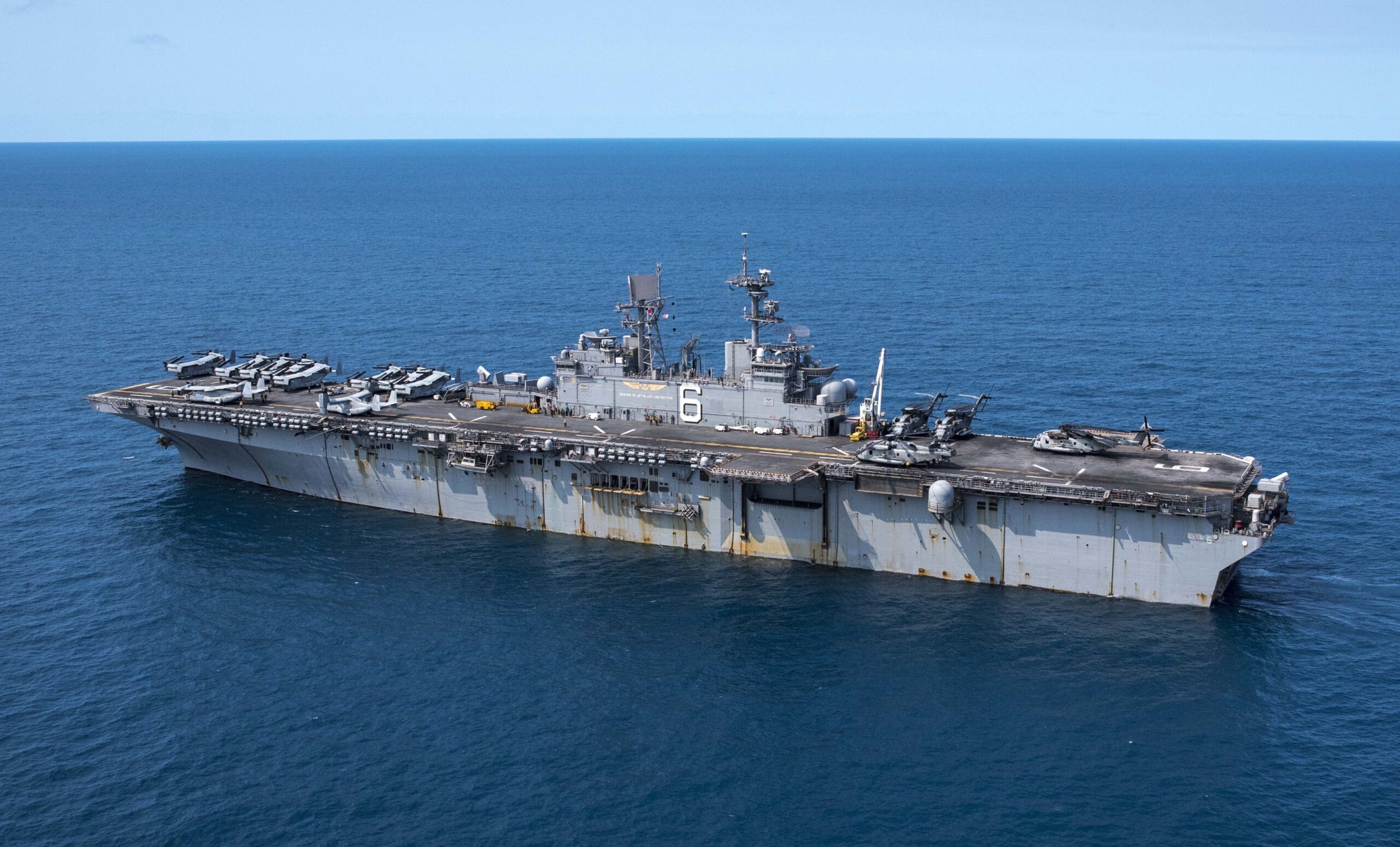
It’s a show about leadership.
As business owners, we often find ourselves waiting until we have all the information before making a decision. We want more data. More certainty. More reassurance that we’re making the “right” choice.
The problem is that business rarely gives us that luxury.
Markets change. Customers change. Technology changes. Competitors change. If you wait until you know everything, you’re already behind.
One of the things I admired most about Captain Tom Chandler was he didn’t confuse uncertainty with inaction. He gathered the best information available, consulted the people around him, made a decision, communicated it clearly, and then adjusted when new information became available.
That’s exactly what effective leaders do.
Not because they’re always right.
Because they understand that momentum beats perfection.
I see so many business owners who spend months planning instead of executing. They tweak websites that are already good enough. They rewrite marketing copy for the tenth time. They buy another course hoping someone will finally hand them the perfect answer.
Meanwhile, the businesses that are winning are the ones that are taking action, measuring results, making adjustments, and continuing to move forward.
Another thing that stood out to me was the absolute clarity of the mission.
No matter what obstacle the crew faced, everyone understood the objective. Every decision was filtered through that mission.
That’s something many businesses are missing today.
Instead of having one clear mission, they’re chasing every new shiny object that pops up. One week it’s AI. The next week it’s the newest social media platform. Then it’s some marketing tactic that promises overnight success.
None of those things are bad.
But they’re not strategy.
When you have a clear mission, it’s much easier to decide what deserves your attention and what doesn’t.
The show also reminded me why I’ve spent so much of my career helping businesses build systems.
On The Last Ship, every crew member knows their role. There are procedures for almost everything. People communicate. They train. They practice. They trust one another. Systems don’t eliminate problems…they make it possible to solve them.
Business works exactly the same way.
When everything is running smoothly, systems can feel boring.
When something goes wrong, they’re priceless.
Whether it’s onboarding a new client, following up with prospects, delivering your product or service, or managing your marketing, systems create consistency. They allow your business to keep moving, even when things become unpredictable.
Finally, I couldn’t help but notice something else.
The captain isn’t the smartest person on the ship.
He’s simply the person responsible for bringing together the smartest people, listening to their expertise, making decisions, and keeping everyone focused on the mission.
That’s leadership.
Too many entrepreneurs think leadership means having all the answers.
It doesn’t.
It means creating an environment where good decisions can be made, where people know what’s expected of them, and where everyone understands the mission they’re working toward.
Whether you’re leading a team of two or two hundred, those principles never change.
Watching The Last Ship reminded me that businesses don’t succeed because everything goes according to plan.
They succeed because leaders stay calm during uncertainty, communicate clearly, trust their systems, rely on their people, and keep moving forward.
Storms are inevitable.
How well you’ve prepared for them determines whether you simply survive or come out stronger on the other side.
To Your Success –